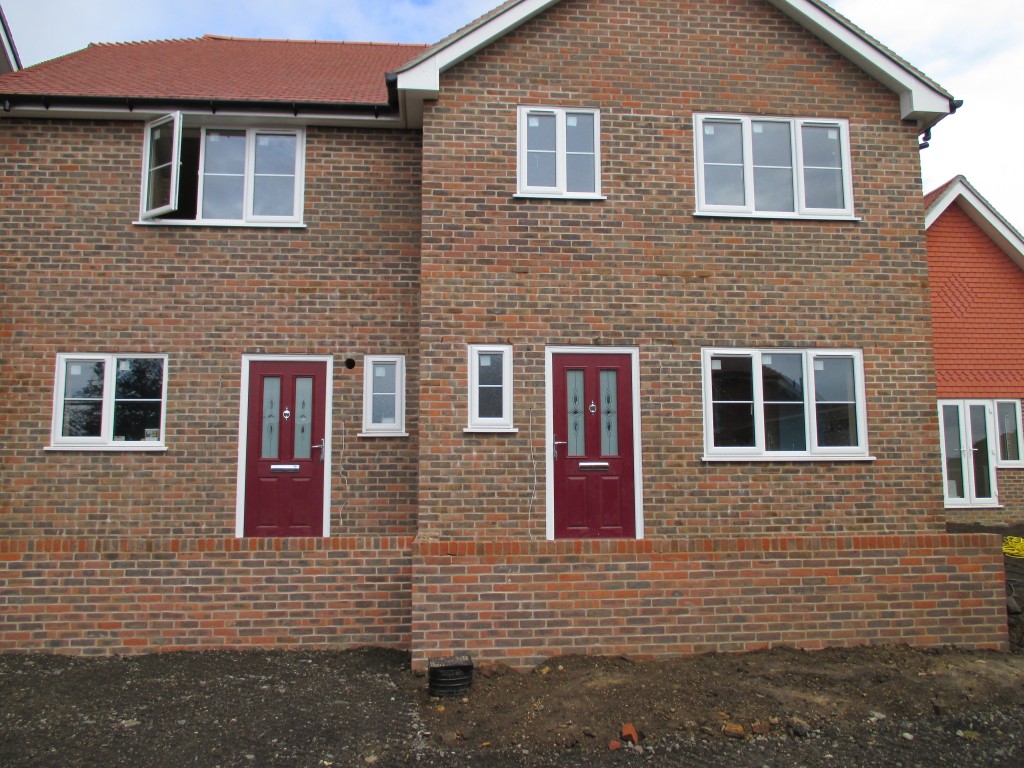
Yes. If you buy a finished new build home from a developer in England, you pay Stamp Duty Land Tax (SDLT) on the full purchase price, exactly as you would on an older property. There is no special exemption for new homes.
There is one important exception that many people do not know about. If you buy a plot of land and pay a builder separately to build your home, stamp duty is usually charged on the land only, not on the build cost. That can save you thousands.
Thinking about building your own home? We build new homes across East and West Sussex, from foundations to the final brick. Request a free quote or call 07771 393494.
Stamp duty rates in 2026
These are the residential SDLT rates in England, in place since 1 April 2025. You pay each rate only on the part of the price that falls within that band.
| Property price band | Standard rate | First-time buyer rate |
|---|---|---|
| Up to £125,000 | 0% | 0% |
| £125,001 to £250,000 | 2% | 0% |
| £250,001 to £300,000 | 5% | 0% |
| £300,001 to £500,000 | 5% | 5% |
| £500,001 to £925,000 | 5% | Standard rates apply to the whole price |
| £925,001 to £1.5 million | 10% | Standard rates apply |
| Over £1.5 million | 12% | Standard rates apply |
If you will own more than one home after the purchase, a 5% surcharge is added to each band. First-time buyer relief does not apply at all if the price is over £500,000.
What would you pay on a new build?
| Purchase | Who is buying | Stamp duty |
|---|---|---|
| £400,000 new build house | Home mover | £10,000 |
| £400,000 new build house | First-time buyer | £5,000 |
| £550,000 new build house | Home mover | £17,500 |
These examples assume a freehold house and no additional property surcharge.
Self-build: stamp duty on the land only
When you buy a building plot and then appoint a builder under a separate contract, SDLT is worked out on the price of the land alone. The cost of building the house is not taxed.
Example: a developer sells a finished four-bedroom home for £550,000, and the stamp duty is £17,500 for a home mover. If you instead buy a plot for £150,000 and pay a builder to build a similar house, the stamp duty on a residential plot at that price is £500. That is a saving of £17,000.
If the land is non-residential, such as a field or paddock with planning permission, non-residential rates may apply instead. These start at 0% up to £150,000, then 2% to £250,000 and 5% above that. The higher rate surcharge for additional properties usually does not apply to non-residential land.
Watch out: if you buy the land and the build as one package from the same seller, HMRC may treat it as a single purchase and charge stamp duty on the full price. Keeping the land purchase and the building contract genuinely separate matters. Your solicitor should check this before you exchange.
Have a plot or planning permission? We can price your build from the ground up, including excavation, foundations and drainage. Book a free site visit or call 07771 393494.
VAT on new builds
The construction of a new dwelling is generally zero-rated for VAT when carried out by a VAT-registered builder. If you buy some materials yourself, you may be able to reclaim the VAT through HMRC’s DIY housebuilders scheme once the home is finished. Ask your builder and accountant how the work will be invoiced before you start.
Other ways to reduce stamp duty on a new build
- Developer incentives. Some developers offer to pay your stamp duty. You still owe the tax on the full price, but the developer gives you the money to cover it.
- Price negotiation. A lower price reduces the tax directly, and staying under a threshold such as £500,000 for first-time buyers can make a large difference.
- Self-build or custom build. As above, paying tax on the land alone is often the biggest saving available.
When do you pay stamp duty on a new build?
Stamp duty is due within 14 days of completion, which is when you legally take ownership. On off-plan purchases, that is when the home is finished and the sale completes, not when you reserve or exchange. Your solicitor normally files the return and pays it for you.
Planning a new build in Sussex?
Bradford Brickwork builds new homes for self-builders and developers across East and West Sussex. We handle excavation, foundations, drainage, brickwork and roofing with one team, so your build stays on programme. See examples in our work.
Get your free quote or call 07771 393494.
This article is general information, not tax advice. Stamp duty rules depend on your circumstances, so check with a solicitor or use HMRC’s SDLT calculator before you buy. Rates correct as of October 2026 and apply to England only.
FAQs
Do first-time buyers pay stamp duty on new builds? Not on the first £300,000. They pay 5% on the part between £300,001 and £500,000. Above £500,000 there is no relief.
Is stamp duty cheaper on a new build? No. The same rates apply to new and older homes. Self-build is the exception, because you pay tax on the land only.
Do you pay stamp duty on a self-build? Only on the land, as long as the land purchase and the building contract are separate.
Do you pay stamp duty on an extension? No. Stamp duty is only charged when you buy property or land, not when you build on land you already own.