A damp patch on the chimney breast after heavy rain. Bits of mortar in the gutter. A stain spreading across the ceiling near the fireplace. A leaking chimney stack often gives you a clue before you can see what’s gone wrong.
The stack takes the worst of the wind, rain and frost. Water can get in through worn mortar, damaged brickwork, cracks around the chimney pots or a gap where the stack meets the roof. The damp patch inside rarely tells you which one is responsible.
So, does your chimney need repointing or rebuilding? If the stack is straight, the bricks are mostly sound, and the damage is limited to the joints, repointing may be enough. If the water is coming in where the roof meets sound brickwork, a flashing repair may solve it. If the stack is leaning, bowing or badly deteriorated, it needs a closer structural assessment and may need rebuilding.
What a proper chimney inspection looks at
We start with what you’ve noticed indoors and what we can see from the ground. When safe close-up access is available, we check five parts of the stack.
- Mortar joints. We look for mortar that’s crumbling, sitting well back from the brick face or missing altogether. We also check how deep the deterioration goes. A worn outer joint and mortar that has lost its strength deeper in the stack need different repairs.
- Brick condition. We check for cracks and spalling, where the outer face of a brick flakes or breaks away. Water freezing inside the brick can cause this. Where the chimney has been used, we also look for signs that moisture and deposits from flue gases may have contributed to deterioration.
- Flaunching and pots. Chimney flaunching is the sloped mortar bed at the top of the stack that holds the pots and sheds rainwater. We check for cracks and loose sections, and look for damaged or insecure pots and cowls.
- Lead flashing. Flashing is the weatherproofing where the chimney meets the roof tiles or slates. We look for splits in the lead, lifted edges and gaps where it’s fixed into the brickwork. We also check the uphill side of the stack, where rainwater running down the roof has to pass around it.
- Stack alignment. We look for leaning, bowing, bulging and loose brickwork. If there are signs of movement, the next step is to establish how much of the stack is affected before deciding what can be kept.
A chimney inspection may reveal more than one fault. Worn mortar and split lead can both let water in, for example. If the signs point to a problem inside a working flue, that may need a separate specialist inspection. Further guidance on chimney maintenance from the SPAB.
When is a chimney flashing repair enough?
If the bricks and mortar are sound and the leak is traced to the junction between the chimney and the roof, a chimney flashing repair may be all that’s needed. Depending on what we find, that could mean securing a lifted section, renewing the fixing where the lead meets the brickwork or replacing a split piece of lead.
A crack in the flaunching is a different repair. If the mortar bed at the top has broken up while the brickwork below remains sound, renewing the flaunching and securing the pots may address the problem without taking down brickwork.
When will repointing and brick replacement work?
Repointing is usually suitable when the stack is straight and stable, most of the bricks are sound and the damage is concentrated in the mortar joints. We rake out the deteriorated mortar back to sound material and fill the joints with fresh mortar suited to the existing bricks. If a few bricks have badly flaked faces or deep cracks, we can replace those individually.
On older chimneys, the choice of mortar matters. Softer bricks often need a compatible lime mortar. The aim is to restore the joints and keep as much sound original brickwork as possible. You can see the repairs we carry out on our Chimney Repairs and Rebuilds page.
When does a chimney need a partial or full rebuild?
A rebuild may be needed if the stack is leaning or bowed, the mortar has failed deep in the joints, or frost and deterioration associated with the flue have damaged too many bricks for individual replacement. The extent of the damage determines how much needs rebuilding.
- Partial chimney rebuild. If the damage is confined to the upper rows of brickwork, we can take those down to a sound level and rebuild from there. The stable brickwork below stays in place.
- Full stack rebuild. If movement or deterioration extends through the exposed stack, we may need to take it down to a sound base and rebuild the above-roof section. The inspection establishes where that sound base is and whether any work is needed below roof level.
If you can see a new lean, bulging brickwork or pieces falling from the stack, keep people clear of the area below and arrange a prompt professional assessment. Further guidance on chimney stacks and flues from Historic England.
Why do chimney repair quotes recommend different work?
One contractor may have seen more of the stack. Binoculars from the pavement can pick up a damaged pot or obvious gaps in the mortar. A close-up inspection can show how deeply the mortar has failed, whether bricks are loose and what’s happening behind the stack. Ask which parts the contractor inspected and whether the quote allows for anything that can only be confirmed once there’s safe access.
The quotes may be solving different problems. A roofer may correctly identify a split in the lead and price a flashing repair. A brickwork specialist may also find loose bricks or deep mortar loss. A sealant patch or a coat of waterproofer may look like a cheaper way to tackle damp, but it leaves any loose masonry or failed joints in place. Ask each contractor to point out what they found and explain how the proposed work addresses it.
Scaffolding may be priced differently. Chimney repointing and rebuilding involve handling tools, mortar and bricks at height. A properly planned scaffold gives the crew a stable working platform and helps protect people below. Check whether the written quote includes the scaffold needed for the job. At Bradford Brickwork, we plan safe access and factor any scaffolding required into the quote.
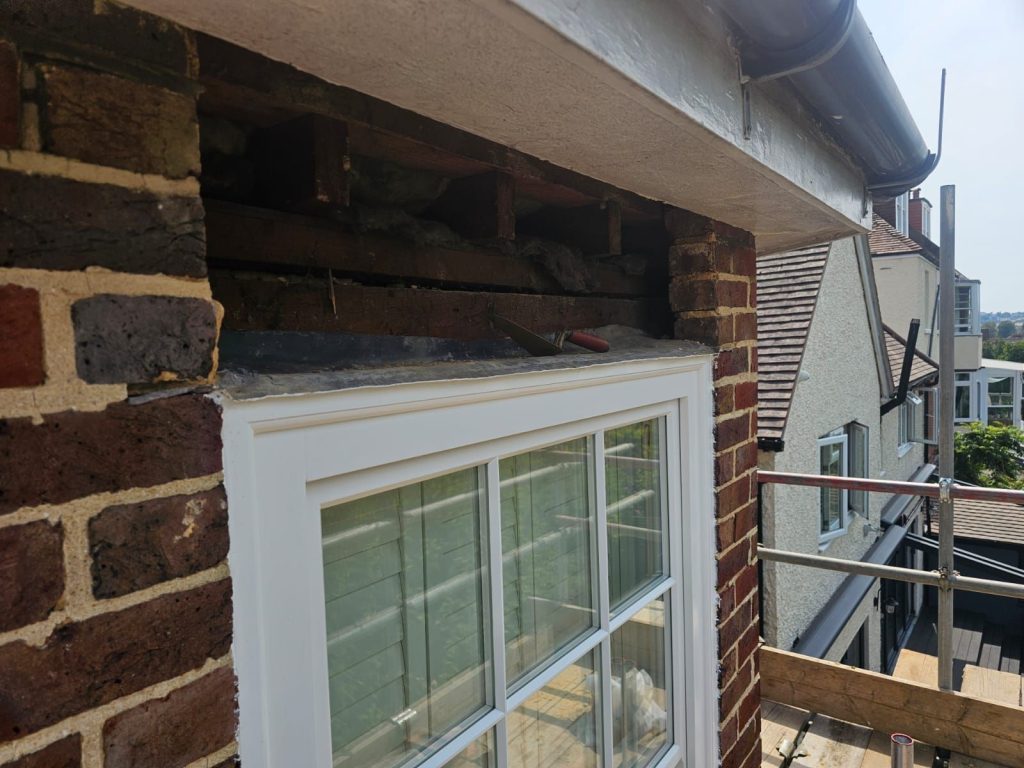
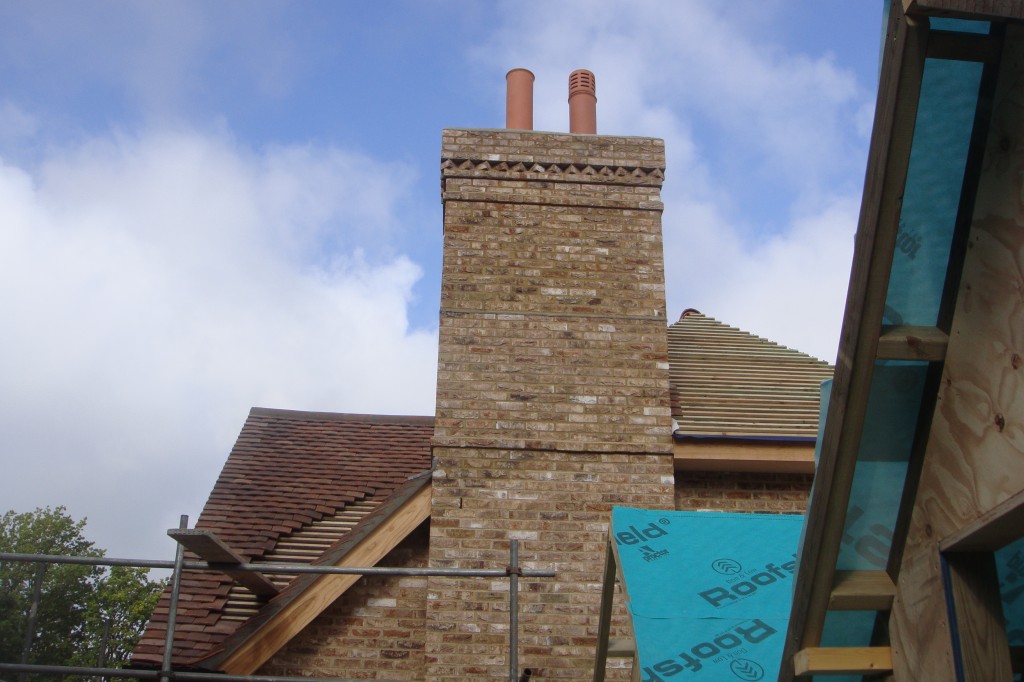
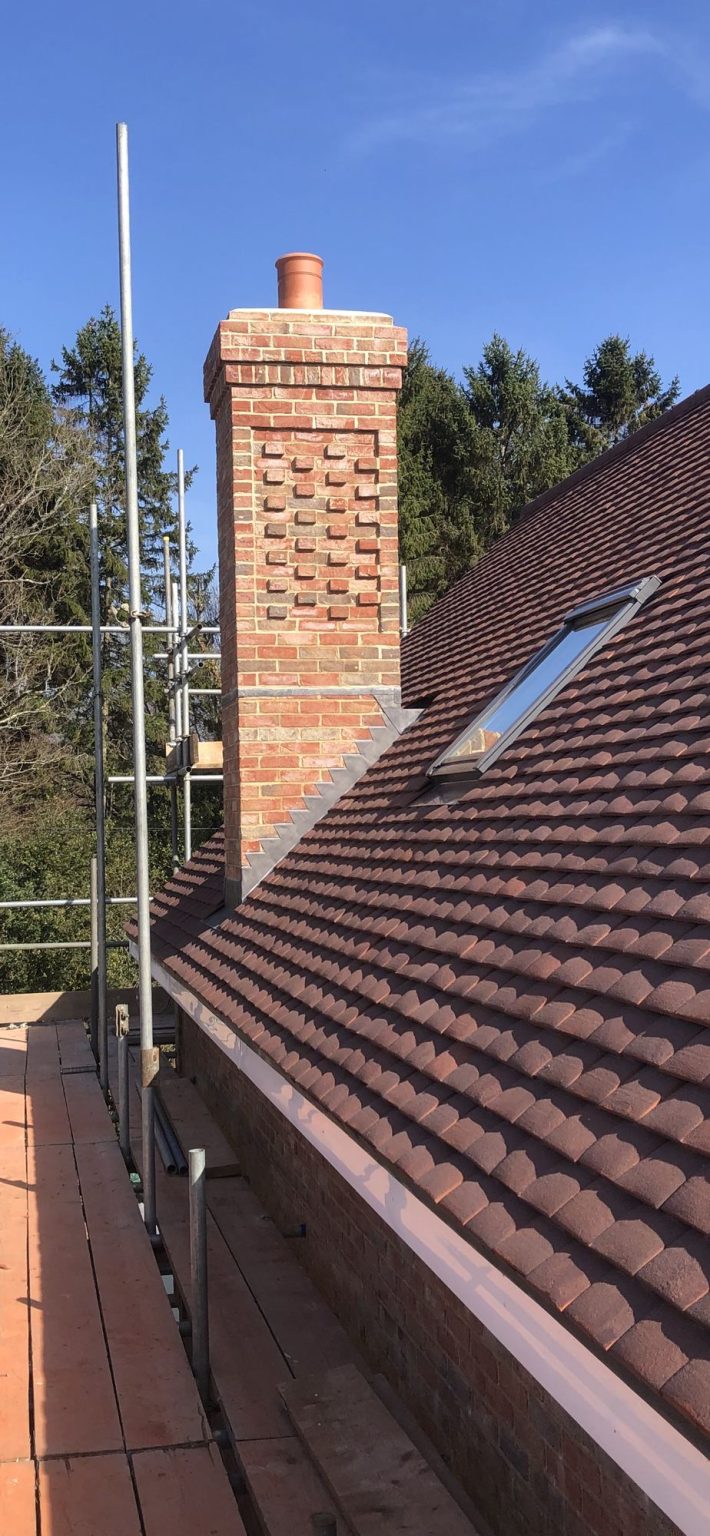
Project spotlight: A Bradford Brickwork chimney repair
Request a chimney inspection and quote
Catching a split in the lead or a few failing mortar joints early can help stop water getting in and reduce the chance of a more costly rebuild. A site visit is the first step towards working out where the water is getting in and what needs repairing.
Based in Maresfield, Bradford Brickwork carries out Chimney Repairs and Rebuilds across East Sussex, West Sussex and Kent. Request a chimney inspection and quote. We offer a free initial site visit and a clear written estimate, with safe access and any scaffolding needed factored into the price.